
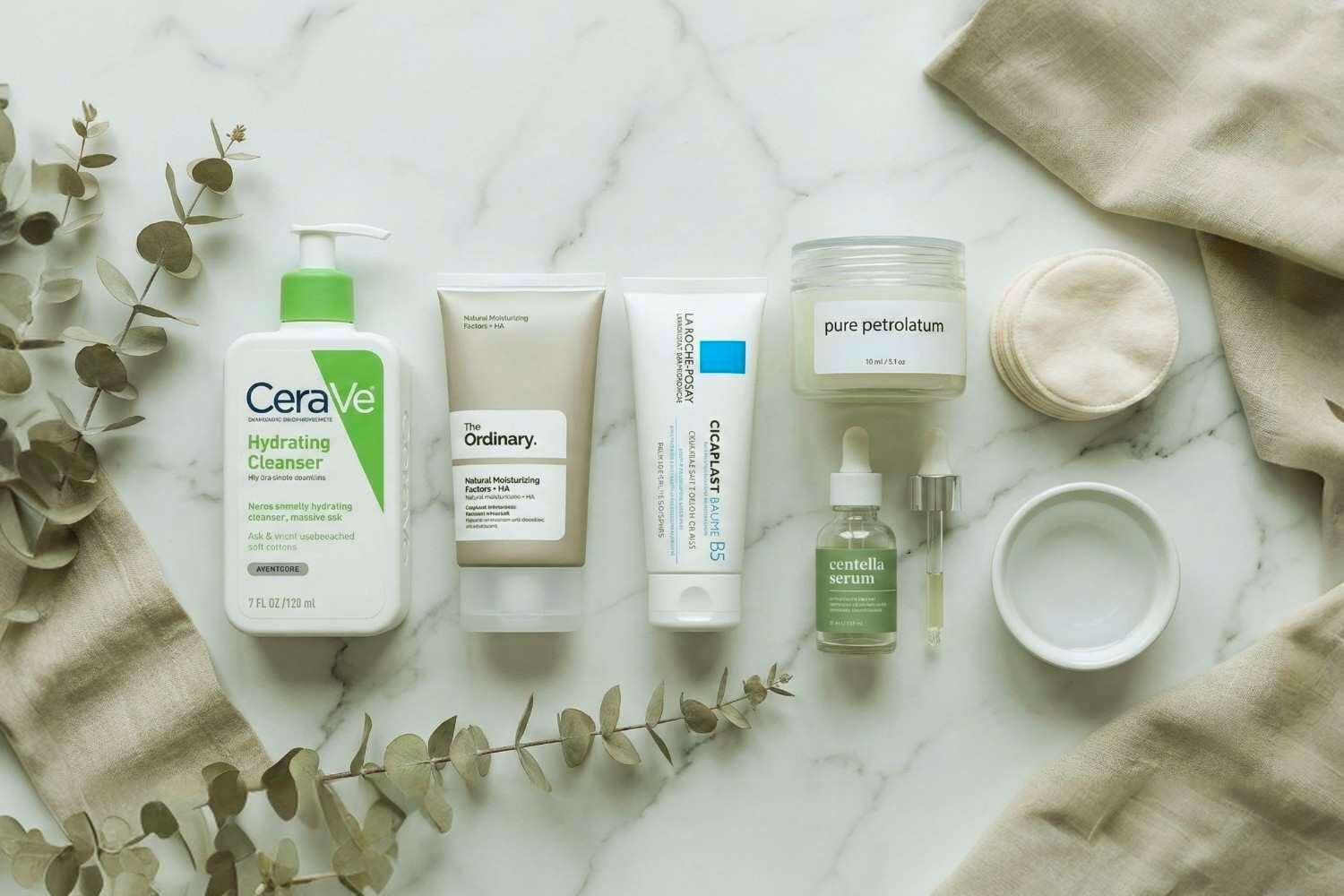
Your skin feels tight, looks red, stings with every product, and suddenly nothing in your routine works anymore? Congratulations you’ve likely joined the millions dealing with a damaged skin barrier. The good news? It’s almost always fixable, and often faster than you think. In this complete guide, you’ll learn exactly how to spot a compromised barrier, why it happens, and the gentle, science-backed steps to restore it without making things worse.
What Is the Skin Barrier and Why Does It Matter?
Think of your skin barrier as brick-and-mortar: skin cells are the bricks, and ceramides, cholesterol, and fatty acids are the mortar. When everything is intact, it keeps moisture in and irritants out. Once damaged, your face basically becomes an open door hello dehydration, inflammation, breakouts, and sensitivity.
Ahealthy barrier = calm, plump, glowing skin. A damaged skin barrier = the root cause behind most “mystery” skin freak-outs.
Top 10 Signs You Have a Damaged Skin Barrier
You don’t need a dermatologist to diagnose this your skin will scream for help. Look out for:
- Persistent tightness, especially after cleansing
- Increased redness or flushed cheeks that won’t calm down
- Stinging or burning when applying products (even water sometimes hurts)
- Flaky or rough texture, even with moisturizer
- Sudden breakouts or tiny bumps across cheeks/forehead
- Dull, ashy appearance no matter how much highlighter you pile on
- Itching or uncomfortable feeling all day
- Makeup looks patchy or pills
- More visible fine lines (dehydration lines, not true wrinkles)
- Extreme oiliness followed by extreme dryness
- If you’re ticking 3+ boxes, your barrier is waving a white flag.
Common Causes That Wreck Your Barrier
Most people damage their barrier without realizing:
- Over-exfoliation (acids, retinol, physical scrubs)
- Harsh foaming cleansers with high pH or sulfates
- Layering too many actives (retinol + vitamin C + AHAs in one night = disaster)
- Hot showers and overwashing
- Weather extremes (cold wind, dry indoor heating, excessive sun)
- Skipping moisturizer or using alcohol-heavy toners
- Prescription retinoids without proper buffering
- Switching 10 products at once
Pro tip: The #1 cause I see? “I thought my skin was oily so I stripped it even more.” Classic vicious cycle.
How to Repair a Damaged Barrier: Step-by-Step Routine
The golden rule: Simplify + Soothe + Seal. Here’s the exact routine that works for 95% of people.
Morning
- Rinse with lukewarm water only (or gentle cream cleanser if you wore SPF)
- Hydrating toner or essence (hyaluronic acid, centella, panthenol)
- Lightweight ceramide serum
- Simple moisturizer with cholesterol + fatty acids
- Mineral sunscreen (zinc-based is least irritating)
Evening
- Double cleanse only if wearing makeup/SPF start with balm/oil, follow with creamy cleanser
- Same hydrating toner/essence
- Barrier-repair serum (centella, ceramides, niacinamide 4–5%)
- Rich occlusive-rich cream (or slug with plain petrolatum on top)
Do this for at least 2-4 weeks. Zero acids, zero retinol, zero fragrance.

Best Ingredients for Healing (and Ones to Avoid)
Green-light ingredients
- Ceramides (ideally 1, 3,6-II)
- Centella asiatica (madecassoside, asiaticoside)
- Panthenol (provitamin B5)
- Niacinamide (≤5%)
- Hyaluronic acid (multiple molecular weights)
- Squalane, jojoba oil, cholesterol
- Colloidal oatmeal, allantoin
Red-light ingredients while healing
- All chemical exfoliants (AHA, BHA, PHA, lactic, glycolic)
- Retinol/retinoids
- Vitamin C (especially L-ascorbic acid)
- Essential oils & fragrance
- Alcohol denat, witch hazel, high % niacinamide (>10%)
- Physical scrubs, clarisonic brushes, washcloths
For visual reference, alt-text suggestion: “Infographic showing gentle vs harsh ingredients for damaged skin barrier repair”
Lifestyle Habits That Speed Up Recovery
Skincare is only half the battle. Speed things up with:
- Drink 2–3 L water daily
- Use a humidifier (40–60% indoor humidity is ideal)
- Take shorter, lukewarm showers (<10 min)
- Pat dry never rub
- Change pillowcase 2× week
- Avoid touching your face
- Eat omega-3 rich foods (salmon, walnuts, chia)
- Get 7–9 hours sleep (repair happens overnight)
How Long Does It Really Take to Heal?
- Mild damage: 3-7 days with perfect routine
- Moderate (over-exfoliated, red, stinging): 2-4 weeks
- Severe (dermatitis-level, weeping): 4-8 weeks + possible medical help
Track progress with weekly no-makeup selfies in the same lighting.
When to See a Dermatologist
Don’t tough it out if you experience:
- Oozing, crusting or severe swelling
- No improvement after 3-4 weeks of strict simplicity
- Suspected allergic reaction or perioral dermatitis
- Painful cysts or infection signs
Conclusion
A damaged skin barrier is frustrating, but it’s also one of the most fixable skin problems out there. Strip your routine back to basics, load up on ceramides and soothing ingredients, give it time, and your skin will bounce back calmer and stronger than before. The moment your face stops stinging and starts glowing again, you’ll know the repair worked. Be patient, stay gentle, and resist the urge to add “just one more active” your barrier will thank you.
FAQ
Can a damaged skin barrier cause acne?
Yes! When the barrier is impaired, skin overproduces oil and gets inflamed clogged pores and breakouts.
Is Vaseline safe for a damaged barrier?
100% yes. It’s the ultimate occlusive and one of the most hypoallergenic products ever.
Can I use retinol while repairing my barrier?
No. Pause all retinoids until your skin no longer stings with water.
Why does my skin feel worse after moisturizing?
Your moisturizer probably contains fragrance, essential oils, or fatty alcohols that are irritating the compromised barrier.
Is CeraVe good for damaged skin barrier?
Yes especially Hydrating Cleanser, Moisturizing Cream, and PM Lotion (ceramides + niacinamide).
Can diet affect skin barrier?
Absolutely. Low essential fatty acids, dehydration, and high sugar can slow healing.
Will my skin go back to normal after repair?
Yes, and often better many people report stronger, less reactive skin after proper recovery.