
In the fast-paced world of fashion, it’s easy to get caught up in the latest seasonal trends that promise to refresh your look overnight but at what cost? Many of us end up with closets full of impulse buys that lose their appeal after a few months, leading to wasted money and cluttered spaces. This post dives into the debate between chasing fleeting trends and investing in timeless style, teaching you how to make smart fashion investments that blend both for a wardrobe that’s stylish, sustainable, and budget-friendly.
Learning about the Trends of the Seasons
Seasonal trends refer to those trendy products that are ruling the runways, social media, and shop windows every few months. Imagine fat blazers next fall, micro-minis the next spring, they are exciting, and usually short-lived. The trends are informed by the fashion weeks, celebrities, and cultural changes and are an enjoyable way to fiddle with your appearance which is not committal in the long run. However, what is the relevance of these to smart fashion investments? The trends may bring character to your clothes and can make you keep up to date and also creative. But following them blindly may come to regret. As an example, consider the Y2K re-innovation of low-rise denim and butterfly tops? In 2022, it was ubiquitous, however, in 2024, a lot of it had gone out of date. The way out of this would be to seek out trend items at low prices, by fast-fashion retailers, but only spend no more than 20-30 percent of your clothes budget on this. By doing so, you are just having your toes in without submerging into outdated stuff. The keywords similar to it such as seasonal fashion trends emphasize how these styles change around the calendar and how spring brings in flowers, summer with neons, fall with earth-tones. Knowing their cycle, you can tell what to expect and able to decide whether it is worth taking the plunge.
The Appeal of Timeless Style
On the other hand, timeless style is based on classic products that do not become obsolete. They will be your wardrobe basics: a well-fitting blazer, crisp white shirt, or little black dress. They are also versatile and of high quality and have a life span of years and possibly decades. Why are timeless pieces the building blocks of intelligent fashion investments? They are long lasting and economical. Consider a case where you purchase a leather jacket at a price of $200 and use it 100 times a year (100 times/year) – this amounts to only 2 per wear in the first year. Compare that to a fashionable top costing $50 and used five times before it is put away. Classic pieces also lead to sustainable fashion; they do not require frequent replacements, which is in line with the environmental trends. Timeless fashion pieces are what you add to your wardrobe, and this is a foundation. The first step is to use some neutrals such as black, navy, and beige, and add accessories in the second step. Such brands as Ever lane or Uniqlo are doing it best, with their season less, long-lasting basics.
Pros and Cons: Trends vs. Timeless Pieces
This topic naturally calls for a balanced view, so let’s break down the pros and cons of seasonal trends versus timeless style. This comparison can guide your smart fashion investments by highlighting when to lean one way or the other.
Pros of Seasonal Trends
- Excitement and Variety: Keeps your style fresh and allows self-expression through current vibes.
- Affordability: Often cheaper, making it easy to test new looks without big commitments.
- Social Relevance: Helps you fit into cultural moments, like festival outfits or office trends.
Cons of Seasonal Trends
- Short Lifespan: Items quickly become outdated, leading to waste.
- Lower Quality: Fast-fashion trends often use cheap materials that don’t hold up.
- Impulse Buying Risk: Can result in cluttered closets and financial regret.
Pros of Timeless Style
- Durability: High-quality fabrics and construction mean longer wear.
- Versatility: Mix and match endlessly for various occasions.
- Cost-Effective Long-Term: Higher upfront cost, but better value over time.
Cons of Timeless Style
- Initial Expense: Quality pieces can be pricey, deterring budget shoppers.
- Less Excitement: Might feel “safe” or boring without trendy accents.
- Slower Adaptation: Doesn’t always capture the latest cultural shifts.
By weighing these, you can aim for a hybrid approach invest in timeless bases and sprinkle in trends for fun.
How to Make Smart Fashion Investments

Making smart fashion investments isn’t about spending more; it’s about spending wisely. Here’s a step-by-step guide to get you started.
- Assess Your Current Wardrobe: Take inventory. What do you wear most? Identify gaps in timeless pieces versus trendy ones. Use apps like Stylebook to track outfits and spot patterns.
- Set a Budget: Allocate 70% to timeless items and 30% to trends. For example, if your monthly fashion budget is $200, spend $140 on classics like jeans or boots.
- Research Quality: Look for natural fabrics (wool, cotton) over synthetics. Check reviews and brand reputations avoid hype-driven purchases.
- Shop Strategically: Wait for sales on timeless pieces from outlets like Nordstrom Rack. For trends, thrift stores or apps like Depop offer gently used options at a fraction of the cost.
- Consider Sustainability: Opt for brands with ethical practices, reducing environmental impact. This ties into “sustainable fashion” as a related keyword, ensuring your investments align with modern values.
Incorporate “cost-effective clothing” by calculating cost-per-wear: Divide price by estimated uses. Aim for under $5 per wear for smart buys.
Building a Balanced Wardrobe
A balanced wardrobe combines the best of both worlds for smart fashion investments. Start with a capsule collection of 10-15 timeless items, then add seasonal accents.
For men: Invest in a navy suit, white oxford shirts, and leather loafers as bases. Add trendy elements like patterned ties or colorful socks.
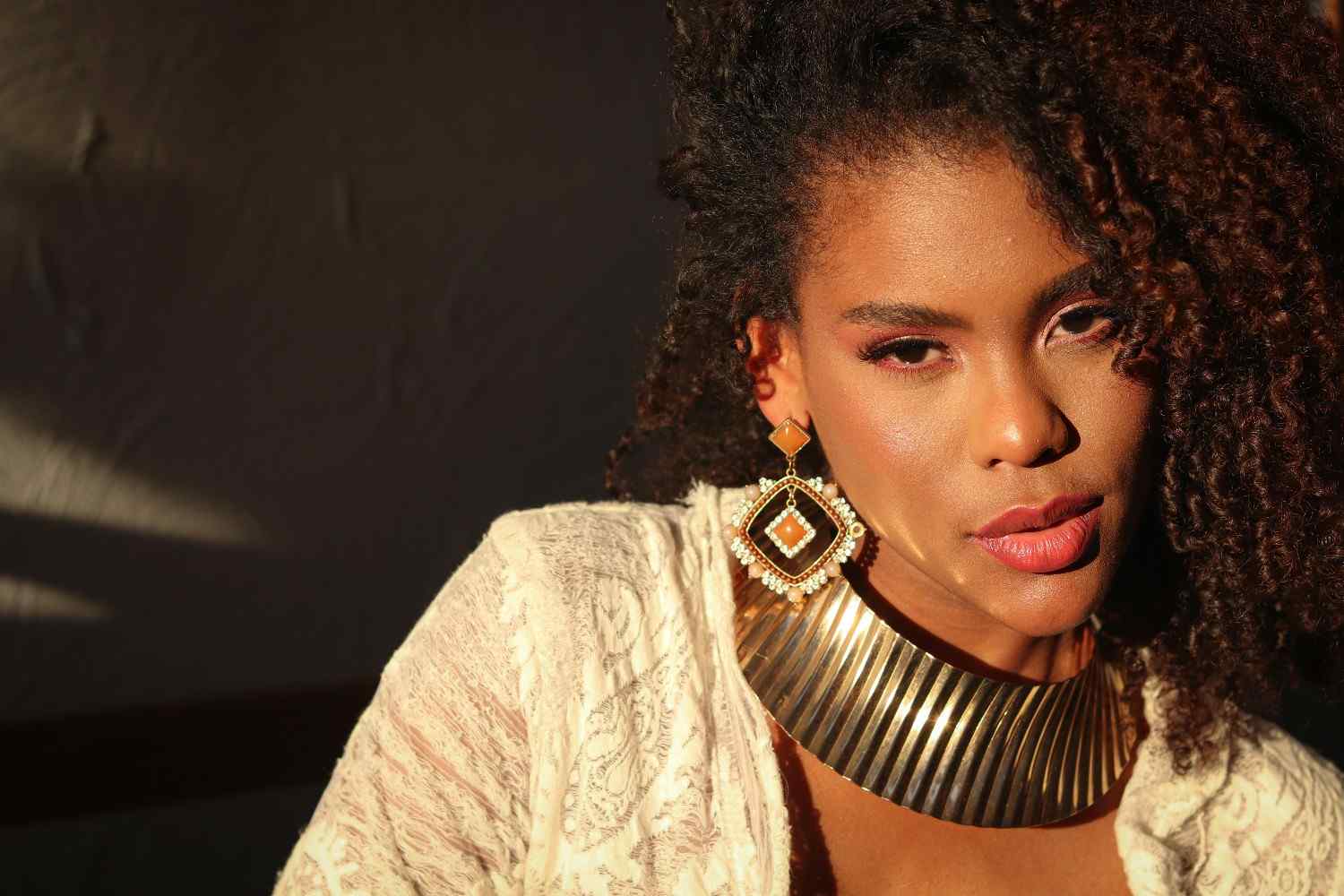
For women: Core pieces include trench coats, straight-leg jeans, and silk blouses. Layer in trends like statement earrings or printed scarves.
To visualize, here’s a simple table comparing investment priorities:
| Category | Timeless Examples | Trendy Examples | Investment Tip |
|---|---|---|---|
| Tops | White button-up, cashmere sweater | Crop tops, graphic tees | Spend more on timeless for versatility |
| Bottoms | Black trousers, denim jeans | Wide-leg pants, cargo shorts | Trends here change fast—buy cheap |
| Outerwear | Leather jacket, wool coat | Puffer vests, shearling | Timeless outerwear lasts seasons |
| Accessories | Gold watch, leather belt | Chunky chains, bucket hats | Accessories are ideal for affordable trends |
Best Practices and Real-Life Examples
Best practices for smart fashion investments include mixing high and low: Pair a designer handbag with affordable basics. Also, follow the “one in, one out” rule donate an old item for every new buy to avoid clutter.
Real-life example: Take influencer Emma Chamberlain, who blends vintage timeless finds with Gen-Z trends. Her thrifted blazers (timeless) paired with baggy jeans (trendy) show how to invest smartly. Another: Office worker Sarah invested in a $150 wool coat that she’s worn for five winters, versus $50 trendy jackets replaced yearly.
Conclusion
Balancing between seasonal patterns and classic style can be reduced to essential fashion consumption with an emphasis on value, functionality, and self-identification. Within the knowledge of advantages and disadvantages, a systematic strategy to the process of constructing your wardrobe, and integrating the best practices, such as cost-per-wear analysis, you can build a collection that will be not only stylish but also timeless. It is important to keep in mind that the desired outcome is sustainability and confidence, you should invest in the items that will make you feel great every year. You are updating your appearance with wardrobe staples or chasing the latest trends in the season, either way, these tips will make sure that your wardrobe is in your favor, not your adversary.
FAQ
What is smart fashion investments?
Smart fashion investments are based on the foundation of the long-term value of a particular clothing item and include timeless quality but selective trends that allow the dress to be used in various ways over time.
What are the classic fashion pieces that I find?
Find traditional shaped designs, in neutral colors, using quality materials. Such products as trench coats or loafers that have been in fashion over the decades fit.
Is it worth purchasing seasonal fashions?
Yes, moderately, they make things fun and relevant, but leave things that are not affordable to waste.
How is the best solution to budgeting wardrobe basics?
Wealth of your budget should be spent on the classic (70-80) and another portion on the trends. Monitor spending using apps to have more control.
What is the relationship between sustainable fashion and smart investments?
Sustainable decisions ensure that waste is minimized and they can also translate to increased quality, which results in the reduction of the number of purchases in the long run.
Am I as capable of combining trends and timeless style?
Definitely wear classic foundations and fashionable accessories to wear outfits that are not necessarily new but still seem new.
What are the best places to find affordable clothes?
Experiment with thrift stores, sales at brands like H&M because they are trendy, or an investment with Ever lane or Patagonia because they will always come in convenient.