In today’s fast-paced fashion world, American shoppers are caught between the allure of high-end luxury accessories and the practicality of budget-friendly options. With economic shifts and evolving tastes, deciding between a designer handbag that screams status or an affordable dupe that delivers similar style without breaking the bank has never been more relevant. In this post, you’ll discover key trends shaping luxury vs affordable accessories in the USA for 2026, backed by market insights, consumer preferences, and practical advice to help you make smarter shopping choices.
Understanding Luxury Accessories in the USA
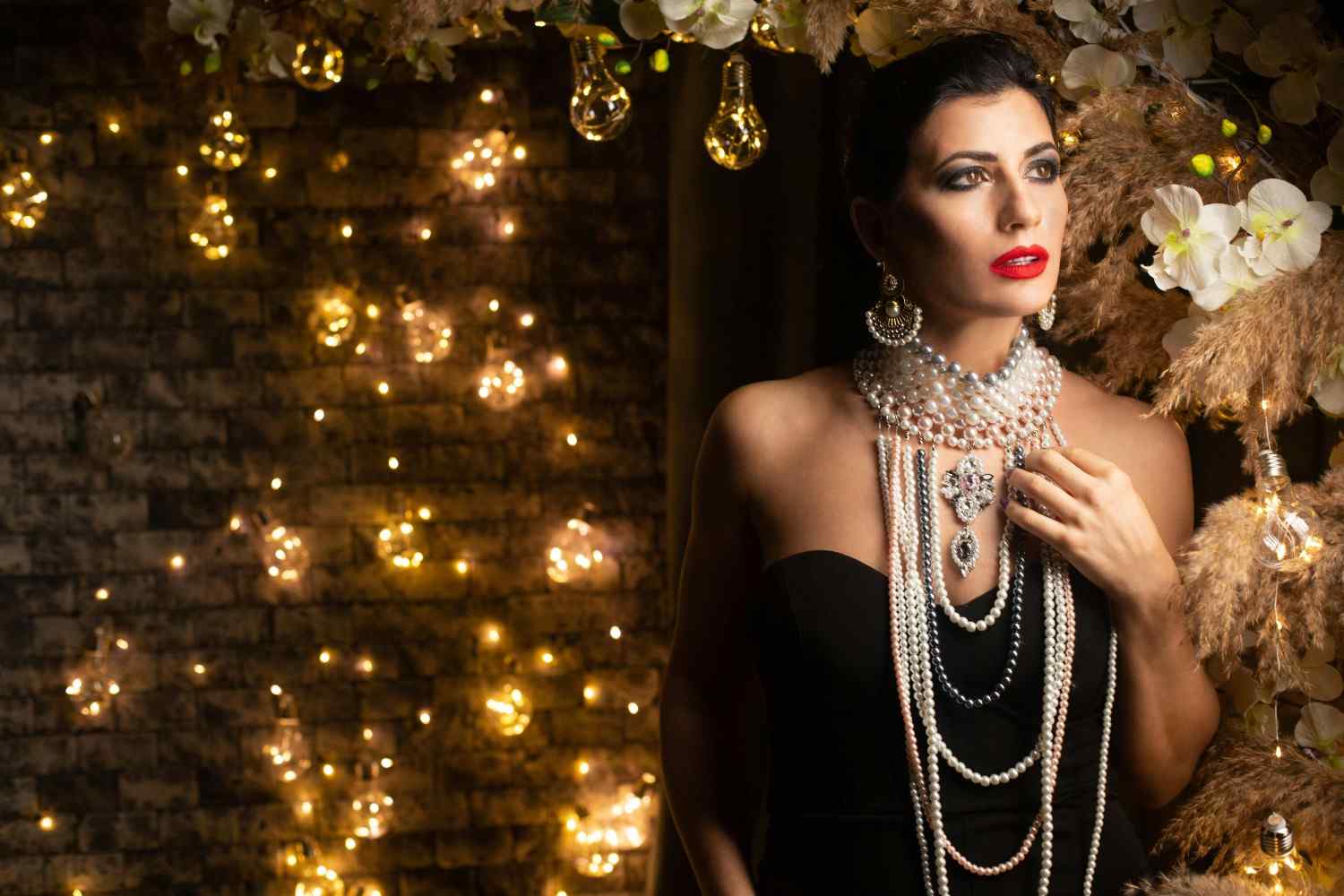
Luxury accessories have long been symbols of status, craftsmanship, and exclusivity in the American market. Think iconic brands like Louis Vuitton, Gucci, or Rolex items that aren’t just functional but tell a story of sophistication. In 2026, the luxury sector is poised for a rebound, with analysts predicting a 3-5% global growth, and the USA leading the charge due to strong consumer confidence and retail expansions.
What defines luxury? It’s often about premium materials, like Italian leather or Swiss engineering, combined with timeless designs. For instance, a Hermes Birkin bag isn’t just a purse; it’s an investment piece that can appreciate over time. However, recent surveys show that many shoppers are questioning the value, with 64% of US consumers trading down from high-end items due to perceived overpricing. This shift highlights a growing “smart spend” mindset, where buyers demand more than just a logo they want sustainability and personalization too.
Related keywords like “luxury accessories trends 2026” reveal a focus on omnichannel experiences, where shoppers blend online browsing with in-store try-ons. Brands are investing heavily in US retail space, with a 65% increase in luxury square footage in early 2025, signaling optimism for the year ahead.
The Rise of Affordable Accessories
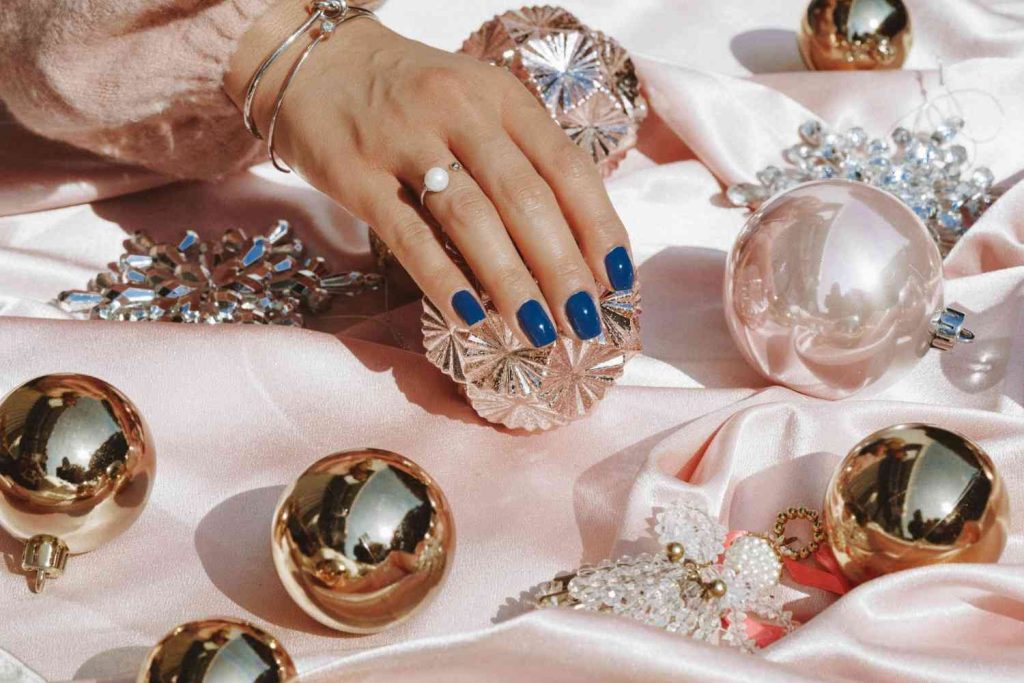
On the flip side, affordable accessories are democratizing fashion, making style accessible without the hefty price tag. Brands like Shein, Zara, or even Amazon dupes offer trendy pieces think statement earrings, crossbody bags, or smartwatches that mimic luxury aesthetics at a fraction of the cost. In 2026, this segment is exploding, driven by Gen Z and millennials who prioritize value, with 69% of Gen Z valuing personalized items like customizable charms or stickers.
Affordable options aren’t just cheap; they’re evolving. Sustainability is key, with brands using recycled materials and ethical production to appeal to conscious consumers. For example, a $50 faux leather tote from Target can rival a $500 designer version in durability, especially with trends like “chaotic customization” where shoppers layer accessories for unique looks. Market reports indicate the US fashion accessories sector will grow at a 7.8% CAGR from 2025-2030, fueled by online shopping preferences and hybrid work lifestyles that demand versatile, budget-friendly pieces.
Incorporating “affordable fashion accessories USA” naturally, this trend reflects broader shopping habits where convenience trumps exclusivity. E-commerce platforms are booming, with projections showing an 8% CAGR for online fashion accessories through 2028.
Key Consumer Preferences for Accessories in 2026
American shoppers in 2026 are savvy, blending aspiration with pragmatism. Surveys from sources like McKinsey and Bain highlight that quality, affordability, and durability top the list when choosing accessories, with 32% of US consumers citing these as primary factors. Gen Z and millennials, making up a huge chunk of the market, demand sustainability think eco-friendly jewelry or vegan leather wallets while boomers stick to timeless luxury.
Preferences vary by category:
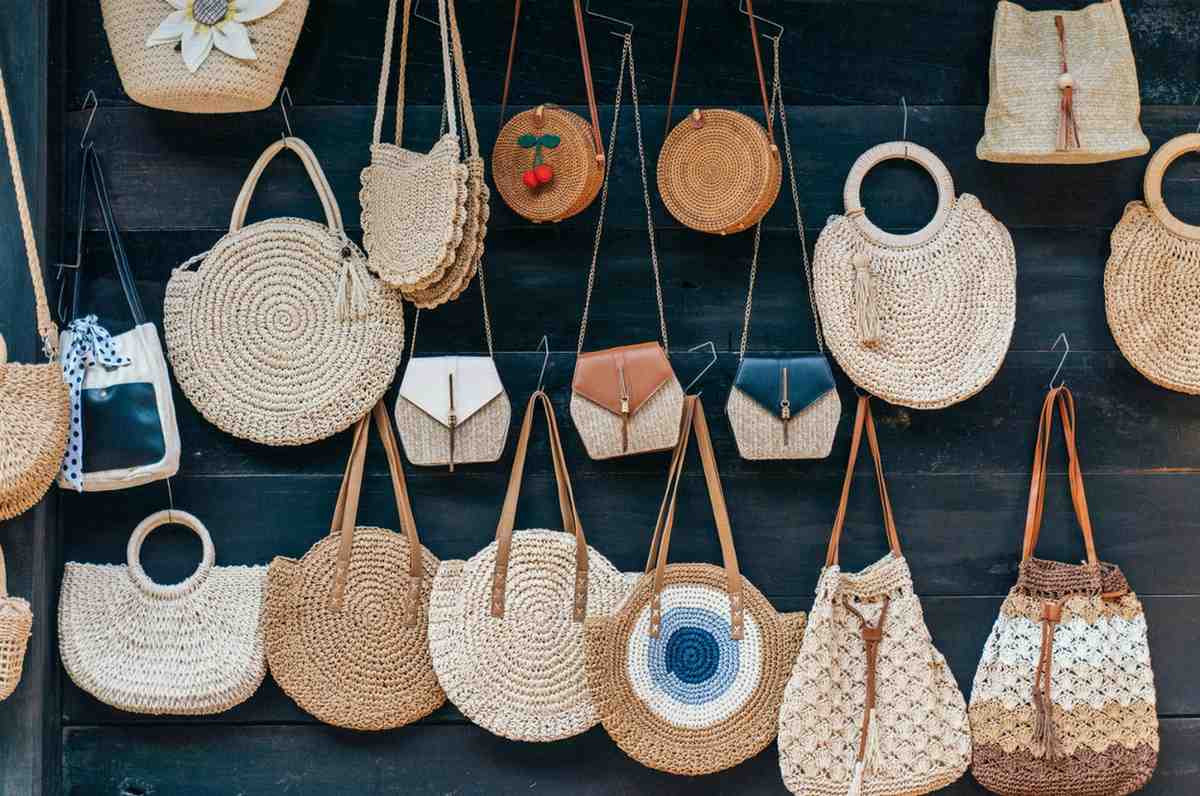
- Handbags and Wallets: Affordable dupes win for everyday use, but luxury prevails for special occasions.
- Jewelry and Watches: Personalized, budget options like lab-grown diamonds are surging, challenging traditional luxury.
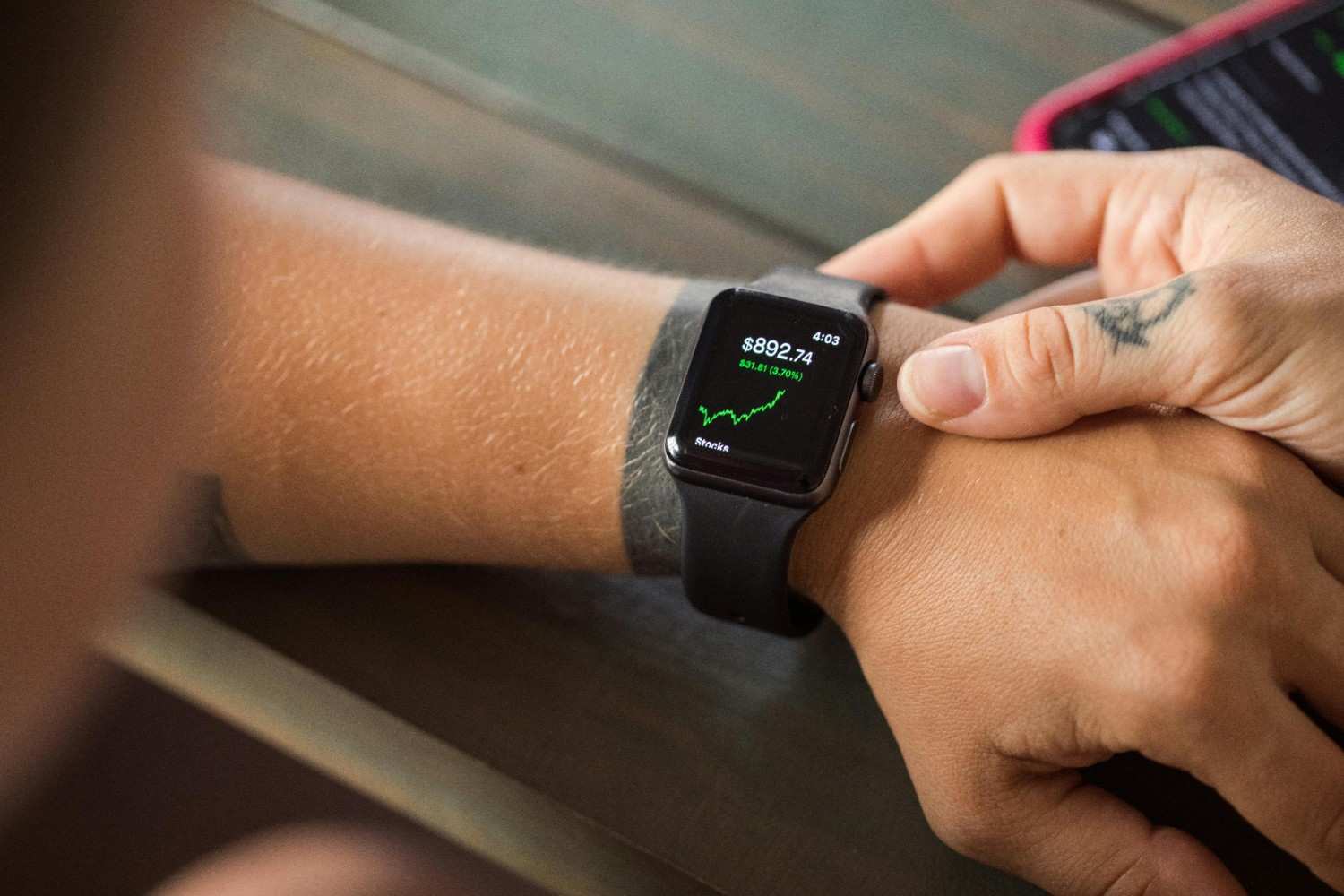
- Tech Accessories: Smartwatch bands or phone cases lean affordable, with brands like Casetify offering custom designs under $50.
Economic factors play a role too; with inflation lingering, 72.6% of luxury buyers plan to maintain or increase spending, but only on items with proven value. This “frugal luxe” approach means mixing high and low pairing a Rolex with affordable stackable rings.
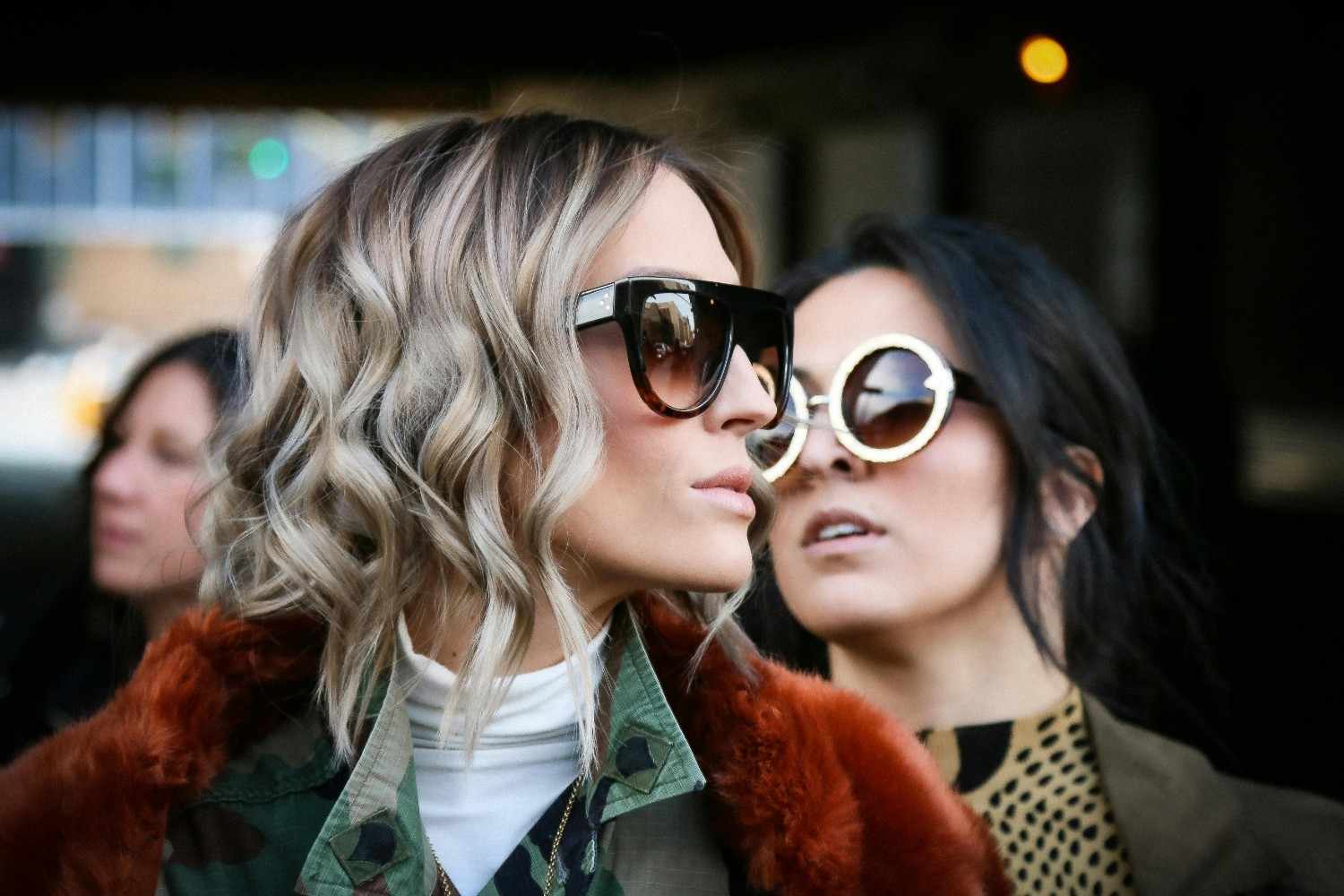
For visual inspiration, consider alt-text like “Stylish luxury vs affordable accessories comparison in USA 2026” for images showing side-by-side handbag examples.
Pros and Cons: Luxury vs Affordable Accessories
Weighing luxury against affordable? Here’s a balanced look to guide your decisions.
Pros of Luxury Accessories
- Exceptional quality and longevity often lasting decades.
- Status and resale value; items like Chanel bags can appreciate.
- Superior craftsmanship with premium materials.
Cons of Luxury Accessories
- High cost, limiting accessibility.
- Risk of overpaying for branding rather than function.
- Less flexibility for trends that change quickly.
Pros of Affordable Accessories
- Budget-friendly, allowing more variety in your wardrobe.
- Quick adaptation to trends like utility belts or personalized charms.
- Increasing focus on sustainability without premium pricing.
Cons of Affordable Accessories
- Potential lower durability, leading to frequent replacements.
- Perceived lack of prestige.
- Quality varies widely between brands.
This comparison underscores why many shoppers mix both for a versatile collection.
Market Trends and Forecasts for 2026
The accessories market in the USA is dynamic, with forecasts painting a picture of steady growth. The global personal luxury goods market, including accessories, is expected to hit $526 billion by 2029, growing at 4.24% CAGR. In the US, e-commerce for fashion accessories will see 8% annual growth, driven by online convenience.
| Category | 2025 Market Size (USD Billion) | Projected 2026 Growth Rate |
|---|---|---|
| Luxury Accessories | 410 (Global) | 3-5% |
| Affordable Fashion Accessories | 1189 (Global) | 8% |
| US-Specific Accessories | N/A | 7.8% CAGR to 2030 |
Best Practices for Shopping Accessories
To navigate luxury vs affordable accessories in the USA 2026, follow these steps:
- Assess Your Needs: Determine if it’s for daily wear (lean affordable) or investment (go luxury).
- Research Value: Use apps like Depop for resale luxury or Etsy for custom affordable pieces.
- Check Sustainability: Look for certifications like Fair Trade.
- Mix and Match: Build a capsule wardrobe with 70% affordable basics and 30% luxury statements.
- Bullet point best practices: Read reviews, compare prices on sites like Amazon vs Nordstrom, and shop during sales like Black Friday for deals on both.
This approach ensures you get the most bang for your buck.
Conclusion
Navigating luxury vs affordable accessories in the USA for 2026 boils down to balancing aspiration with practicality. From the projected rebound in luxury markets to the explosive growth in budget-friendly, personalized options, American shoppers are smarter than ever, prioritizing quality, sustainability, and value. Whether you’re splurging on a timeless piece or mixing affordable trends, the key is aligning choices with your lifestyle. By understanding these preferences and trends, you’ll shop confidently saving money while staying stylish. Ready to upgrade your accessory game? Start exploring today.
FAQ
What are the top luxury accessories trends in the USA for 2026?
Expect a focus on timeless pieces with sustainable twists, like recycled gold jewelry, amid a market rebound.
Are affordable accessories as durable as luxury ones?
Not always, but brands like Everlane or Madewell offer high-quality options that rival luxury in longevity.
How do economic factors influence luxury vs affordable preferences?
With smart spending on the rise, consumers prioritize value, leading to more affordable choices during uncertain times.
Where can I find the best deals on accessories in 2026?
Online platforms like Amazon, Shein, or resale sites like Poshmark for affordable; Neiman Marcus for luxury sales.
Is personalization more common in affordable or luxury accessories?
It’s booming in affordable segments, with Gen Z customizing items via stickers and charms for unique flair.
What role does sustainability play in 2026 accessories shopping?
It’s crucial shoppers demand eco-friendly materials, boosting brands that emphasize ethical production.
Should I invest in luxury accessories as a resale opportunity
Yes, for classics like Rolex watches, but research market trends to ensure appreciation.