In the fast-paced world of fashion, Americans are bombarded with fleeting micro-trends that promise instant style upgrades, but often leave wardrobes cluttered and budgets strained. Meanwhile, building a core style offers timeless reliability, yet it can feel boring in a culture obsessed with novelty. This guide on Micro-Trends vs Core Style USA will help you navigate the balance, teaching you how to curate a versatile American wardrobe that mixes enduring essentials with trendy accents for sustainable, confident dressing.
Understanding Micro-Trends in American Fashion
Micro-trends are those hyper-specific, short-lived fashion phenomena that explode on social media platforms like TikTok and Instagram, only to fizzle out within months. Think of things like the “coastal grandma” aesthetic or the sudden obsession with butter yellow in 2024 fun, viral, but fleeting. In the USA, where consumer culture thrives on quick gratification, these trends often stem from celebrity influences, seasonal runway shows, or even viral memes.
Why do they matter? Micro-trends tap into our desire for self-expression and novelty, allowing us to experiment without long-term commitment. For instance, a pair of chunky loafers might dominate street style in New York one season, inspired by influencers in LA. But the downside? They encourage fast fashion purchases from brands like Shein or Zara, leading to environmental waste and wardrobe regret.
To spot a micro-trend, look for these signs:
- Rapid rise in popularity via social media algorithms.
- Limited lifespan, often tied to a specific event or season.
- High accessibility through affordable dupes.
Best practice: Before jumping in, ask yourself if it aligns with your lifestyle. If you’re in a casual Midwest setting, that ultra-mini skirt trend might not translate well beyond a few outings.
What is Core Style and Why It Matters in the USA
Core style, on the other hand, refers to the foundational, timeless pieces that form the backbone of your wardrobe think classic denim jeans, white button-ups, or leather boots. It’s about investing in quality over quantity, creating a capsule wardrobe USA that’s versatile across seasons and occasions. In American fashion, core style draws from icons like Levi’s jeans or Brooks Brothers shirts, blending practicality with effortless cool.
This approach resonates deeply in the USA because our diverse climates and lifestyles demand adaptability. From humid Southern summers to snowy Northeastern winters, core items like a tailored blazer or neutral sneakers provide endless mix-and-match potential. Related to sustainable fashion USA, core style promotes longevity, reducing the need for constant shopping.
Steps to identify your core style:
- Assess your daily routine what do you wear most?
- Choose neutral colors (black, navy, beige) as bases.
- Invest in high-quality fabrics like cotton or wool for durability.
Examples include the ever-reliable trench coat for rainy Seattle days or slim-fit chinos for business-casual offices in Chicago. By focusing on core style, you build confidence, knowing your outfits are always polished and appropriate.
Pros and Cons: Micro-Trends vs Core Style
Since this topic revolves around comparison, a pros and cons breakdown adds clarity. Here’s how micro-trends stack up against core style in the context of an American wardrobe.
| Aspect | Micro-Trends Pros | Micro-Trends Cons | Core Style Pros | Core Style Cons |
|---|---|---|---|---|
| Cost | Affordable entry point; easy to try without big spends. | Often leads to impulse buys that pile up waste. | Long-term savings through durable pieces. | Higher upfront investment. |
| Versatility | Adds fun pops of personality to outfits. | Limited use; quickly outdated. | Endless mixing for any occasion. | Can feel predictable without accents. |
| Sustainability | Sparks creativity in styling. | Fuels fast fashion pollution. | Reduces environmental impact. | Fewer options for bold experimentation. |
| Cultural Fit in USA | Aligns with trend-driven cities like LA or NYC. | Overwhelms in minimalist regions. | Suits diverse American lifestyles. | May ignore regional flair. |
This table highlights why a hybrid approach often works best leveraging the excitement of micro-trends while grounding them in core style for timeless wardrobe essentials.

Building Your Core Wardrobe: Essentials for Every American
Ready to build? Start with timeless wardrobe essentials tailored to American style guide principles. Aim for 10-15 key pieces that cover work, weekends, and everything in between.
Bullet points of must-haves:
- Denim Jeans: Straight-leg or bootcut from brands like Levi’s perfect for casual Fridays or Texas ranch vibes.
- White T-Shirt: Soft cotton, crew-neck; layer under jackets for East Coast prep.
- Blazer: Neutral wool blend for West Coast creative meetings.
- Sneakers: White leather ones like Converse for urban walking.
- Little Black Dress (LBD): Versatile for Southern evenings or Midwest date nights.
Don’t forget accessories a leather belt or gold hoop earrings can elevate basics without chasing trends.
Incorporating Micro-Trends Without Overhauling Your Closet
The key to Micro-Trends vs Core Style USA is integration, not domination. Use micro-trends as accents to refresh your core wardrobe, avoiding the trap of full overhauls.
Steps to incorporate wisely:
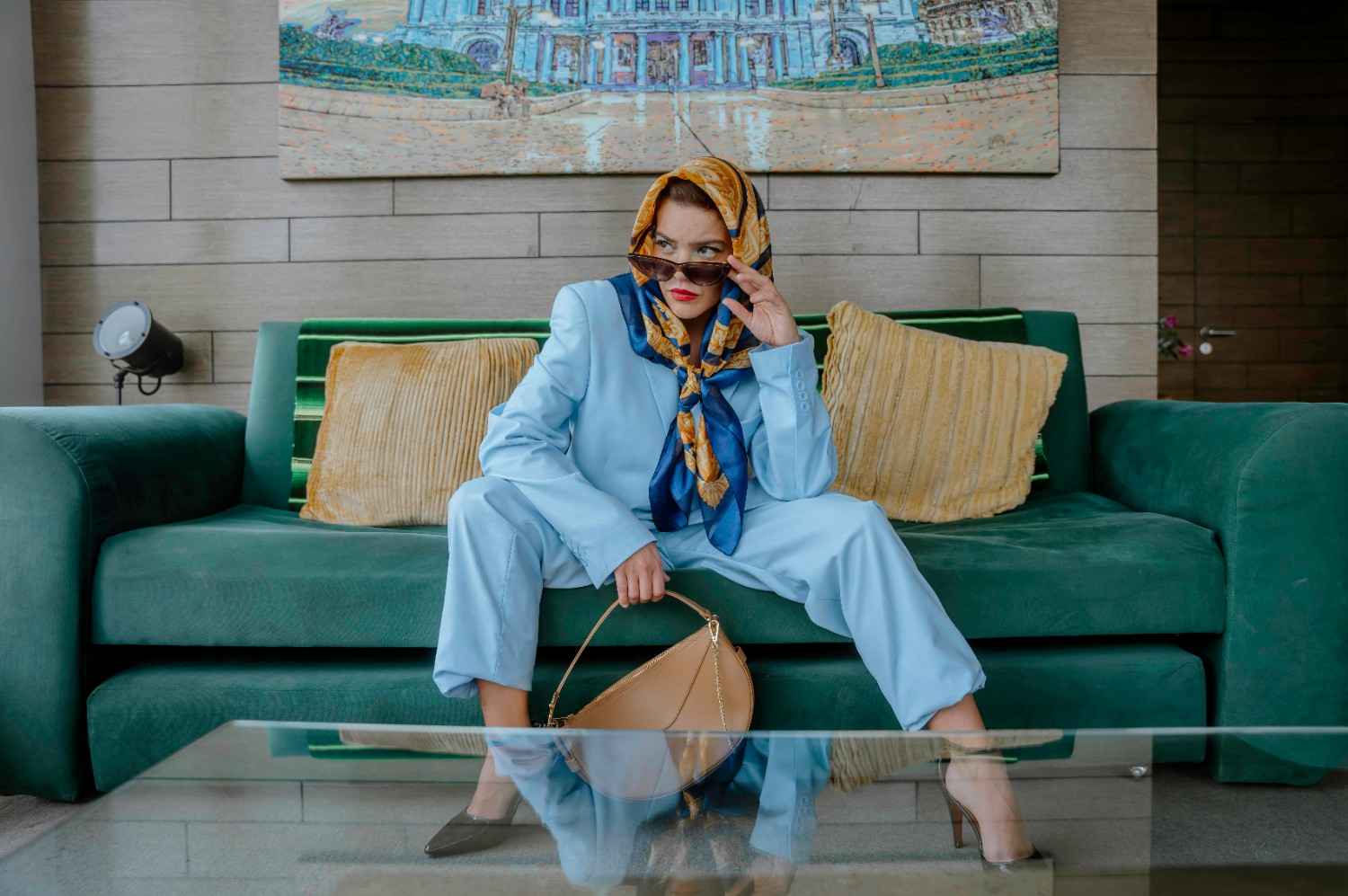
- Identify trends that complement your core e.g., add a trendy scarf to your classic coat.
- Set a budget: Limit trend spends to 20% of your fashion allocation.
- Test the waters: Rent via services like Rent the Runway before buying.
- Declutter seasonally: Donate outdated trends to keep space.
For example, if ballet flats are trending, pair them with your core jeans for a fresh twist on American casual. This keeps your style dynamic while maintaining sustainability.
Sustainable Fashion Tips for Micro-Trends vs Core Style USA
Sustainability is crucial in today’s fashion landscape. In the USA, where fast fashion dominates, blending micro-trends with core style can minimize waste.
Tips include:
- Choose eco-friendly brands like Patagonia for core items.
- Upcycle trends: Turn a trendy top into a core staple by altering it.
- Shop local: Support American designers for unique, durable pieces.
By prioritizing quality, you align with growing trends in sustainable fashion USA, saving money and the planet.
Conclusion
Navigating Micro-Trends vs Core Style USA is about striking a balance: Embrace the fun of fleeting trends to keep your wardrobe exciting, but anchor it in timeless core pieces for longevity and versatility. By building essentials, incorporating accents wisely, and prioritizing sustainability, you’ll create an American wardrobe that’s practical, stylish, and eco-conscious. Remember, fashion is personal experiment, but always invest in what lasts. Start small today, and watch your confidence soar.
FAQ
What are the main differences in Micro-Trends vs Core Style USA?
Micro-trends are short-lived fads, while core style focuses on timeless essentials adaptable to American lifestyles.
How can I build a core wardrobe on a budget?
Start with thrift stores, sales at brands like Old Navy, and focus on versatile neutrals.
Are micro-trends bad for the environment?
Often yes, due to fast fashion, but mindful incorporation reduces impact.
What’s a good example of a core style piece for American men?
A classic Oxford shirt works for offices, barbecues, or dates.
How do I know if a trend will last?
Check if it builds on classics; if it’s too niche, it’s likely micro.
Can I mix micro-trends with core style for work?
Absolutely add a trendy tie to a core suit for professional flair.
Where can I find inspiration for Micro-Trends vs Core Style USA?
Platforms like Pinterest or American fashion blogs offer balanced ideas.