Troubled to locate that ideal vintage in the ocean of thrift store madness, or drowned by the environmental impact of fast fashion? Introduce AI-inspired thrift shopping The game-changer with tech intelligibility and sustainable style in 2026. You will find out how AI is transforming second-hand fashion, personalized suggestions, and virtual try-ons not only in the given guide but also in the latest fashion trends to search, sensible steps to save money, and professional secrets to make your wardrobe more eco-friendly and hassle-free.
Why AI-Driven Thrift Shopping Is Exploding in 2026
Imagine this You want that dress that reminds you of the 90s in cherry red, but you’re searching the thrift racks and it seems like searching needles in a haystack. That is where AI-based thrift shopping can come in which algorithms filter personalized discoveries, anticipate trends, and even design clothes virtually. The resale is the future of fashion, according to McKinsey State of Fashion 2026 report, and AI is streamlining the whole process, including inventory pricing and matching with customers; it is expected to increase the second-hand market to 350 billion dollars by 2027. It is related to the wider trends in AI-inspired fashion, including personalization based on data and sustainability, as consumers are abandoning fast fashion in favor of more environmentally friendly options. According to Placer.ai, general apparel growth 4X thrift store visits went up 39.5 in Q2 2025 in the USA, compared to 2019. AI makes this happen by bringing the thrift to your fingertips, i.e., apps that examine your style, by taking photos or viewing previous purchases. It is not only convenient, but it is environmentally friendly, it will eliminate waste in an industry that contributes 10 percent of the carbon emissions in the world. By the year 2026, you will find multimodal AI (a blend of text, images and voice) to rule the world as wearables such as smart eyewear propose thrift dupes in real-time to you.
Top AI Tools and Apps for Thrift Shopping
Gone are the days of random thrift hauls AI tools now act as your personal stylist. Here’s a roundup of the best for AI-driven thrift shopping in 2026:
- ThredUp’s AI Search: Upgraded in 2025, it understands style nuances beyond keywords, like “boho chic with earth tones.” It scans millions of items for matches, speeding up finds.
- Depop with AI Recommendations: Uses machine learning to suggest items based on your likes, views, and even social media trends. Great for Gen Z thrift flips.
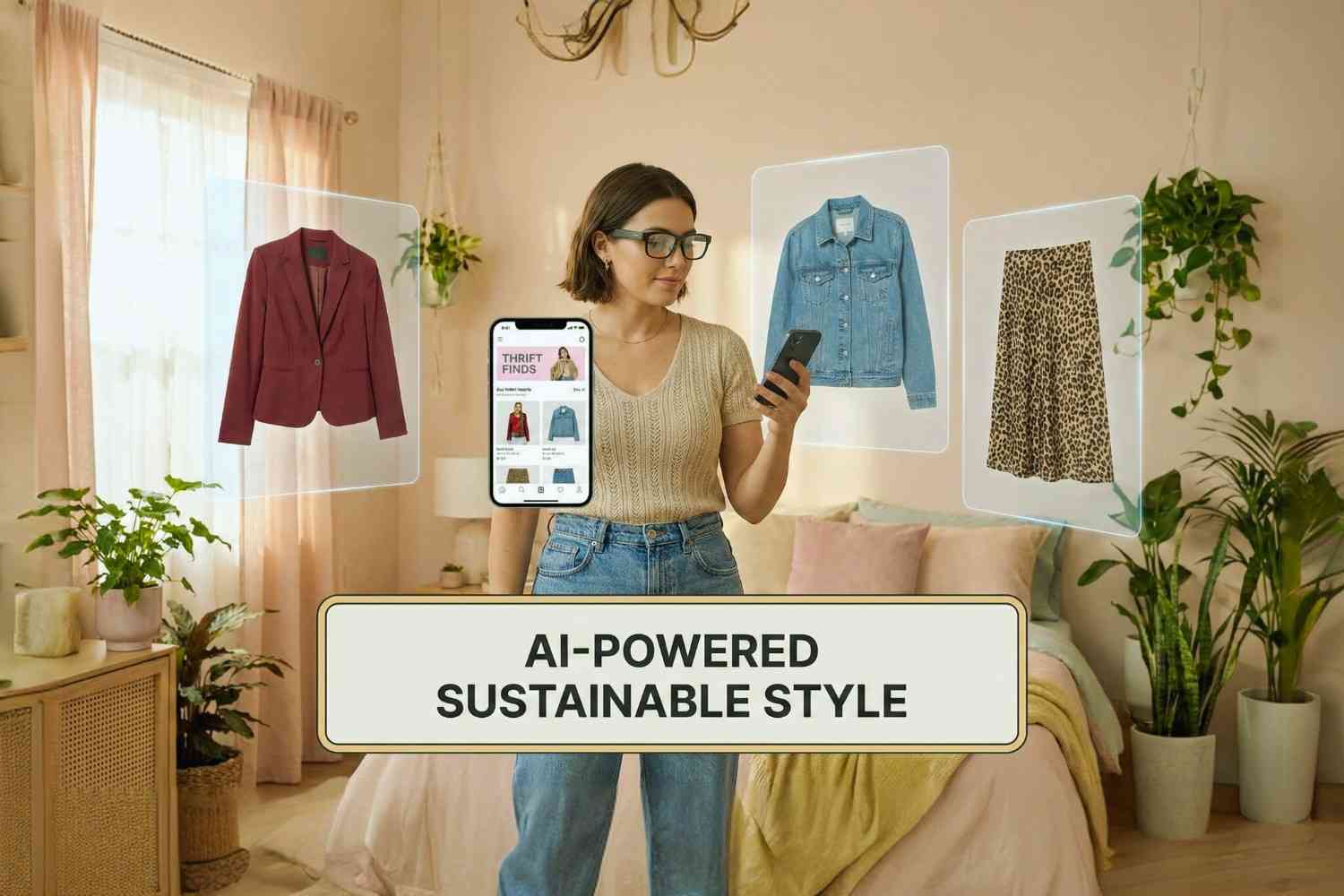
- Poshmark’s Virtual Try-On: Integrates AI for AR fittings upload a selfie, and see how that preloved blazer fits without trying it on.
- Vinted’s Predictive Pricing: AI analyzes market data to suggest fair prices, helping sellers and buyers negotiate smarter.
- Goodwill’s AI Inventory System: Emerging in 2026, it uses computer vision to tag and categorize donations instantly, making online thrifting more accurate.
These apps leverage AI for sustainable fashion AI, cutting down on returns (which waste resources) and boosting circular economy vibes.
| App/Tool | Key AI Feature | Best For | Price Model |
|---|---|---|---|
| ThredUp | Style-based search | Curated vintage | Free app, pay per item |
| Depop | Personalized feeds | Trendy resale | Free, seller fees |
| Poshmark | AR virtual try-on | Fit checks | Free, 20% commission |
| Vinted | Dynamic pricing | Bargain hunting | Free, optional boosts |
| Goodwill Online | Auto-tagging | Budget basics | Free shipping over $50 |
This table simplifies choosing tools for your AI-driven thrift shopping journey pick based on your needs, like visual search for hard-to-fit items.
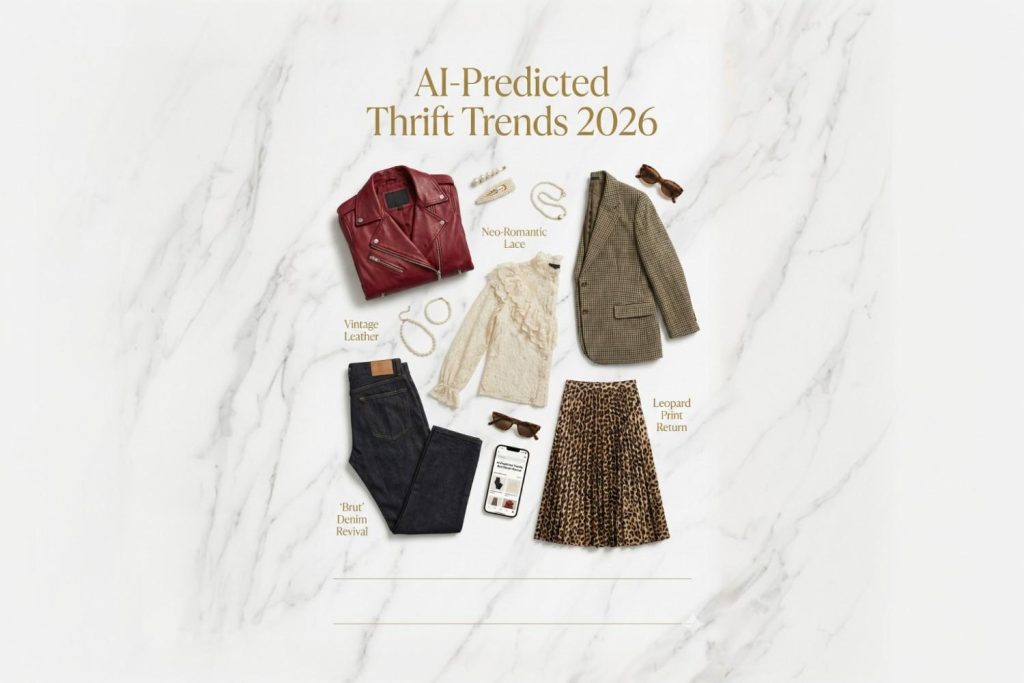
AI-Influenced Fashion Trends to Thrift For in 2026
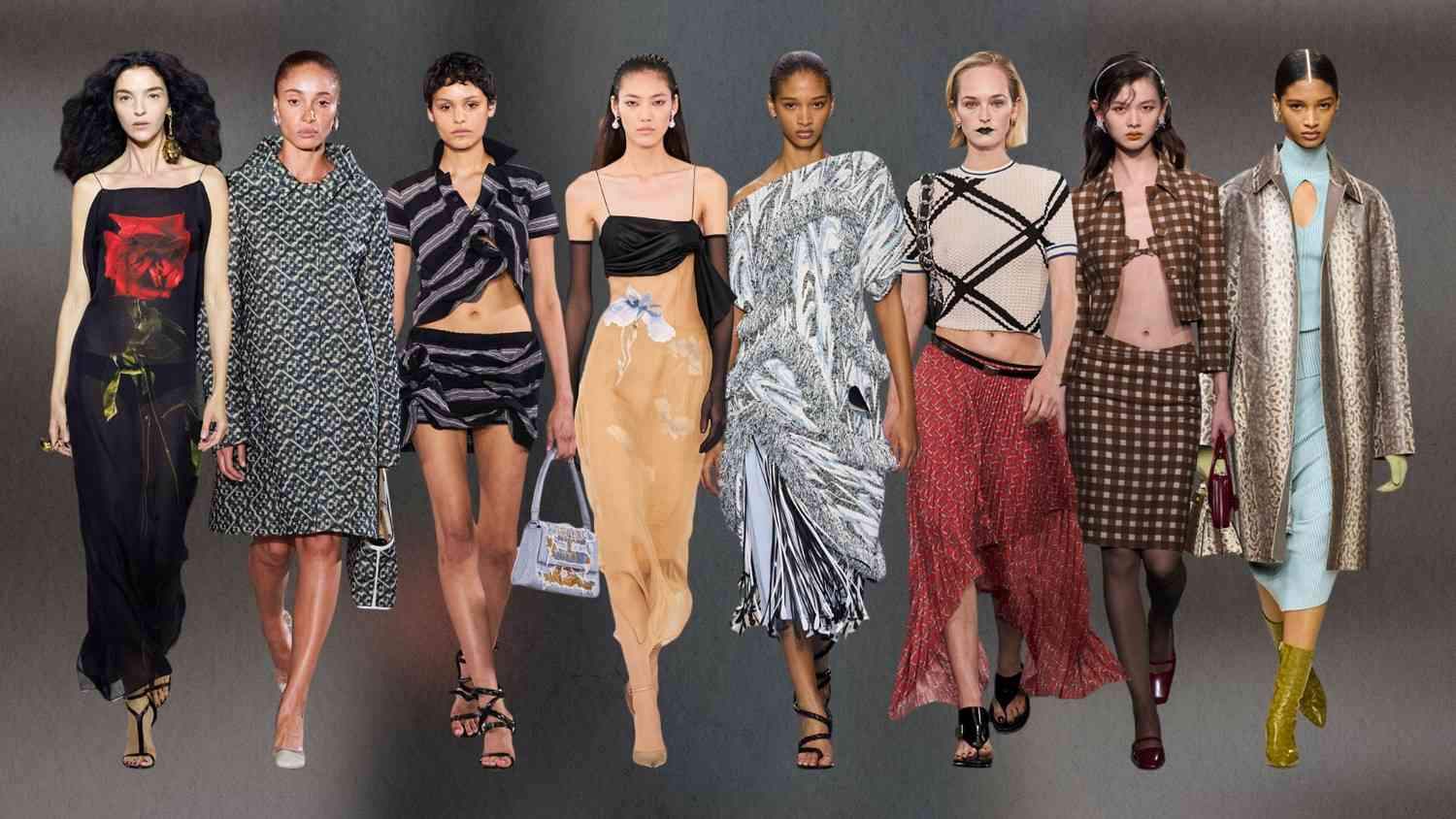
AI isn’t just a tool; it’s shaping what we wear. Heuritech’s AW26 forecasts highlight AI-influenced fashion trends like raw denim authenticity, romantic fabrics, and checked patterns, all ripe for thrifting. Why buy new when AI can spot preloved gems matching these vibes?
- Brut Denim Revival: AI predicts a surge in rugged, unwashed denim thrift for ’80s Levi’s or Wranglers via apps scanning for “distressed blue jeans.”
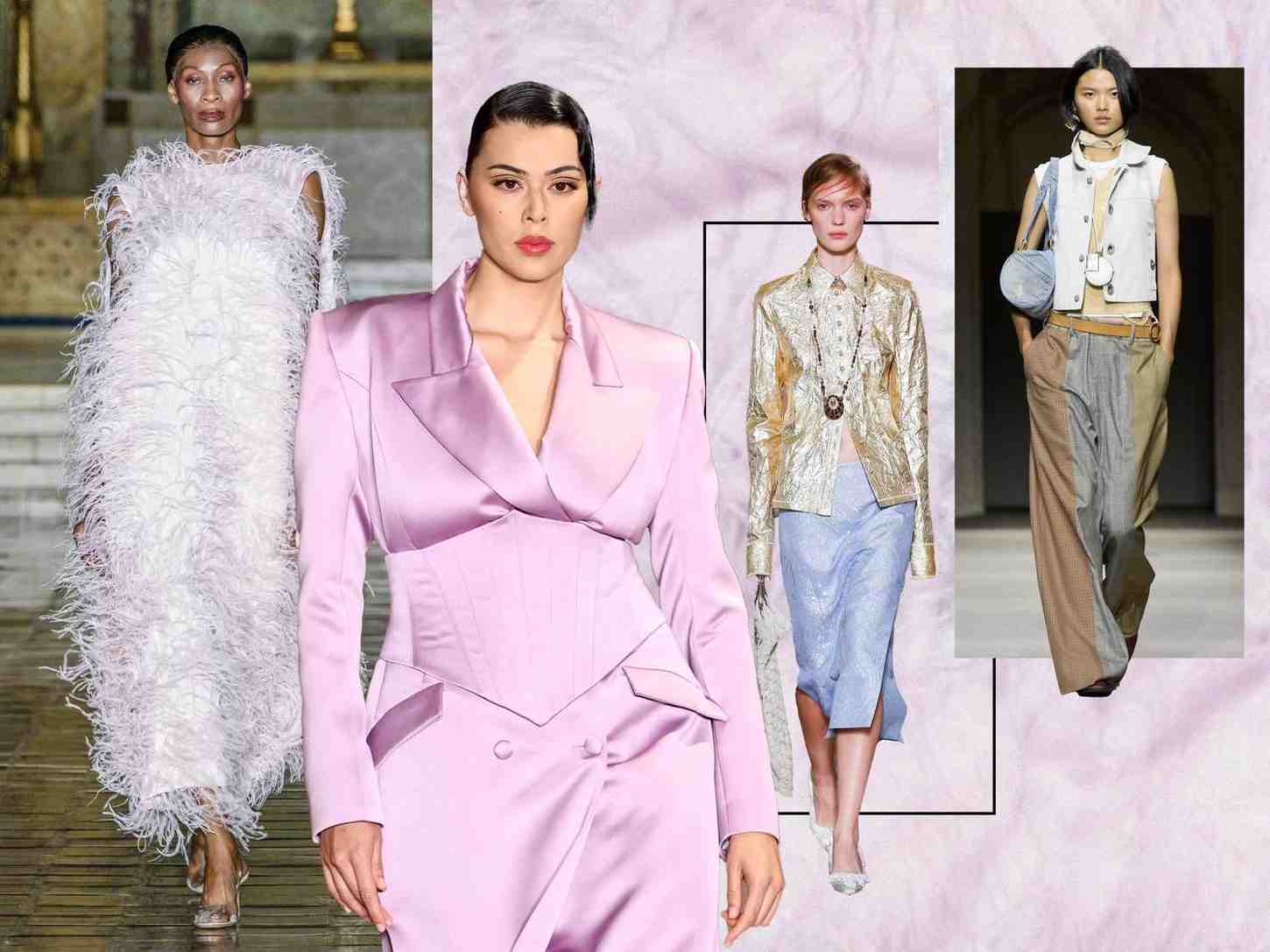
- Romantic Fabrics: Flowy chiffons and laces dominate; AI tools like Google Shopping’s AI Mode suggest thrift dupes for runway looks.
- Alternative Animal Prints: Subtle leopard or zebra in neutrals AI chatbots in apps filter for “sustainable animal print tops.”
- Statement Flowers and Dots: Bold prints for mix-and-match; thrift apps use image recognition to match your uploaded inspo pics.
- Checked Variations: Plaid everything AI-driven microfactories might inspire, but thrifting vintage Burberry saves cash and the planet.
These trends align with thrift shopping apps AI, where algorithms predict what’s hot based on social data, helping you snag items before they sell out.
Step-by-Step Guide: How to Master AI-Driven Thrift Shopping
Ready to dive in? Here’s a foolproof process for leveraging AI in your thrift game:
- Define Your Style Profile: Start with an app like ThredUp upload photos of your wardrobe or Pinterest boards. AI analyzes colors, fits, and patterns to build your preferences.
- Set Search Parameters: Use keywords like “AI-influenced fashion trends 2026” or specifics (e.g., “brut denim jacket size M”). Enable filters for sustainability ratings or virtual try-on.
- Browse with AI Assistance: Scroll personalized feeds; tap for AR previews. Best practice: Compare across apps Depop for trendy, Poshmark for verified sellers.
- Check Pricing and Authenticity: AI tools flag deals; use eBay’s AI authenticator for luxury thrifts. Always read reviews and request more photos.
- Complete the Purchase and Style: Post-buy, use AI stylists (like in Google Lens) to mix with your closet. Track carbon savings via apps’ eco-metrics.
- Resell Smartly: When done, list back with AI-optimized descriptions for quick sales.
Pro tips: Shop off-peak (weekdays) for fresh inventory; combine with browser extensions like Honey for extra discounts. This method turns thrift into a high-tech treasure hunt.
Pros and Cons of AI-Driven Thrift Shopping
Since AI transforms how we shop second-hand, weighing the upsides and downsides is key for informed decisions.
Pros:
- Personalization Boost: Tailored suggestions save time up to 70% faster finds, per user reports.
- Sustainability Win: Reduces waste by matching buyers to existing items; supports circular fashion.
- Accessibility: Virtual try-ons help diverse body types; affordable entry to trends.
- Trend Prediction: AI spots rising styles early, like 2026’s dot prints.
Cons:
- Privacy Concerns: Apps track data; opt for privacy-focused ones.
- Algorithm Bias: May overlook unique pieces if not in popular datasets.
- Tech Barriers: Requires a smartphone; not ideal for in-store thrifts without AR glasses.
- Over-Reliance: Could reduce the joy of serendipitous discoveries.
Overall, pros outweigh cons for eco-savvy shoppers.
Conclusion
Artificially intelligent thrift shopping is transforming the fashion future of 2026, an integration of technology and eco-conscious cleverness to simplify and make second-hand style a fun and effortless experience. Since you notice an AI-driven trend, such as a checked pattern or a velvet texture, and rely on apps to do your virtual haul, you have the means of creating a wardrobe that will be nice to your pocket and the environment. Begin small – install an app, personalize your style and shop away. This is the change to embrace, and not only will you look cool but you will also feel better knowing that you lowered the footprint of fashion. Happy hunting!
FAQ
What is artificial intelligence-based thrift shopping?
It is personalized second-hand, such as recommendations and virtual fittings on applications, using AI tools.
What is the effect of AI on the fashion trends in 2026?
The AI predicts styles through data, such as the predictions of Heuritech for brut denim and romantic fabrics.
Are such apps as thrift shopping free of charge?
The majority of them are free to view, and charges are made on purchases or premium products such as advanced search.
Will AI assist with sustainable fashion AI?
Yes-apps monitor carbon footprints and offer eco-brands, which encourages the use of the circular economy.
Which is the most effective AI in virtual try-on in thrift?
The AI Mode of Poshmark or Google is unique in the AR previews in preloved products.
What are the coverages of AI predictions of 2026 fashion trends?
Highly, on the basis of social/sales data – anticipate 40% increase in AI fashion market.
Is it all AI-driven thrift shopping online?
It happens mostly but with the emergence of wearables, AI comes to the physical stores suggesting in real-time.